Fast Order Fulfillment: 5 Steps from Packaging to Delivery
In today's always-on commerce environment, fast order fulfillment is no longer a back-end operational goal; it is a frontline business differentiator. As an airline or logistics professional, people already know that every minute saved between order placement and final delivery directly affects customer confidence, operational costs, and long-term contracts. Speed is not about rushing shipments mindlessly; it is about designing a fulfillment flow that works seamlessly across systems, people, and transportation networks.
Everyone operates in an ecosystem where aircraft capacity, ground handling, warehouse coordination, and last-mile partners must align perfectly. A delay at one point can ripple through the entire supply chain. This is why modern fulfillment strategies focus on precision, visibility, and reliability rather than raw pace alone. When fulfillment is optimized correctly, delivery speed improves naturally without compromising compliance or safety.
This guide walks through how fast fulfillment works in real-world logistics operations, breaking down each step from packaging to delivery.
What Is Fast Order Fulfillment?
Fast order fulfillment refers to the ability to move an order through the order fulfillment process efficiently, accurately, and predictably, from confirmation to final delivery. In modern logistics, this means minimizing manual handoffs, reducing idle time, and ensuring every stage is digitally connected.
Speed matters because your customers, whether retailers, distributors, or enterprise clients, build their operations around promised delivery windows. When fulfillment is fast and consistent, delivery reliability improves, and exception management becomes easier.
There is also a direct link between fulfillment speed and operational scalability. Faster flows allow for handling higher volumes without proportionally increasing costs, which is critical in competitive logistics and aviation-linked supply chains.
Why Fast Order Fulfillment Is Critical for E-commerce Businesses
As e-commerce volumes continue to surge, fulfillment speed has become a strategic requirement rather than an operational upgrade. This section explains why speed directly impacts business outcomes. Before exploring the individual drivers, it is important to understand how fulfillment performance influences customer behavior and market positioning.
Customer expectations for quick and reliable delivery
Companies are serving customers who plan inventory, promotions, and service commitments based on delivery timelines. Slow fulfillment disrupts their planning and increases support escalations. Fast fulfillment reassures customers that their supply chain is stable and dependable, even during peak demand periods.
Impact on repeat purchases and brand trust
When deliveries arrive on time, trust builds automatically. Customers are more likely to place repeat orders when they know fulfillment will not become a bottleneck. Over time, fulfillment reliability becomes part of your brand promise, not just a service metric.
Role of logistics efficiency in competitive e-commerce markets
In crowded markets, logistics efficiency often determines who wins contracts. Businesses that offer reliable e-commerce fulfillment and faster delivery cycles gain a clear advantage, especially when price differences are minimal.
Fast Order Fulfillment – 5 Key Steps from Packaging to Delivery
Fast fulfillment is achieved by optimizing each operational step, not just the last mile. Below is a structured breakdown of how fulfillment flows efficiently from start to finish. Before diving into the steps, remember that consistency across these stages is what delivers true speed.
Step 1 – Order Confirmation and Processing
This is where fulfillment speed is either enabled or restricted. Order verification ensures inventory accuracy, destination validation, and compliance checks are completed immediately. Clean, structured order data allows automation tools to route shipments correctly without manual intervention, reducing processing delays from the very start.
Step 2 – Packaging and Labelling
Packaging is not just about protection, it is about readiness for transit. Secure, standardized packaging ensures shipments move smoothly through handling points. Proper labeling, aligned with carrier and regulatory requirements, prevents misrouting, customs delays, and unnecessary inspections that slow delivery.
Step 3 – Dispatch and Transportation
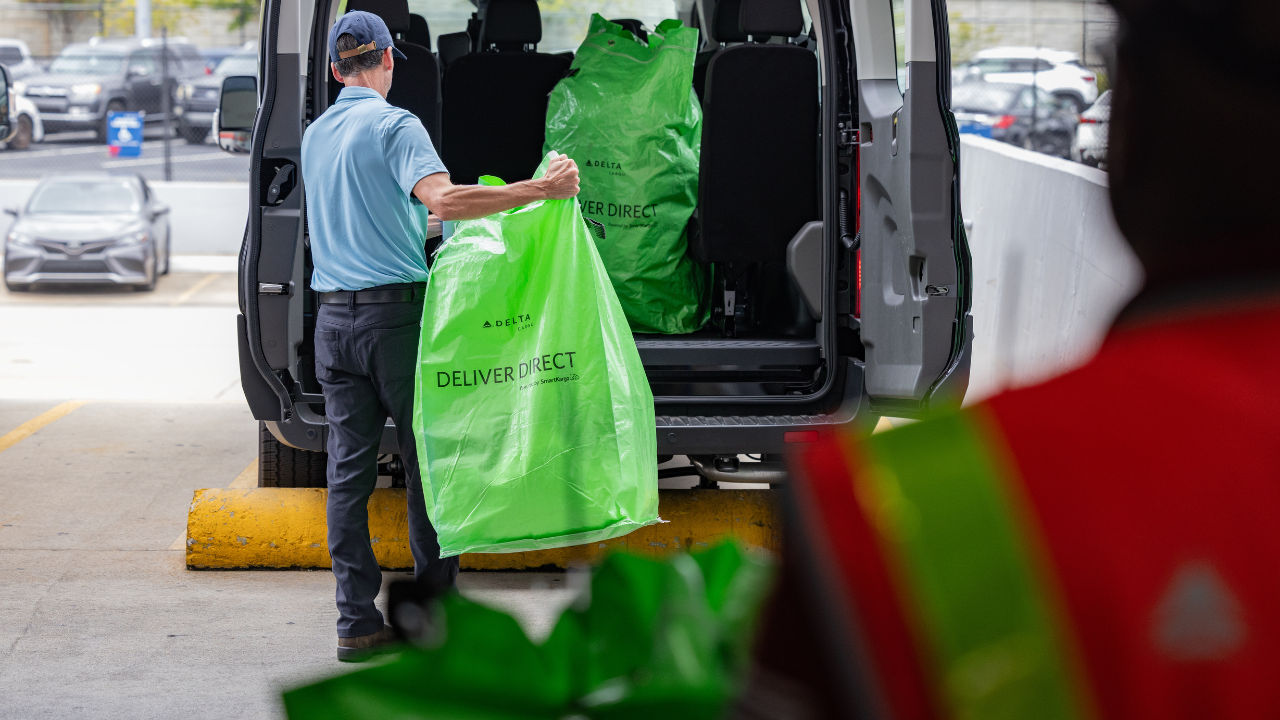
Dispatch marks the transition from warehouse to movement. Efficient handover procedures ensure shipments are released on schedule. Selecting speed-focused transport options, including air and priority ground services, helps maintain delivery commitments without sacrificing shipment integrity.
Step 4 – Shipment Tracking and Visibility
Once in transit, visibility becomes critical. Real-time tracking allows for monitoring progress, anticipating delays, and communicating proactively. Visibility tools keep both businesses and customers informed, reducing uncertainty and improving operational control across networks.
Step 5 – Final Delivery to the Customer
The final mile completes the fulfillment cycle. On-time delivery reinforces service reliability and strengthens customer relationships. Consistent performance at this stage directly influences customer satisfaction, loyalty, and long-term retention.
Common Challenges That Slow Down Order Fulfillment
Even well-designed operations face obstacles that impact fulfillment speed. Understanding these challenges helps address root causes rather than symptoms. Before reviewing specific issues, it helps to recognize that most delays originate from process gaps, not transport limitations.
Delays in order processing
Manual verification, fragmented systems, and incomplete data slow down order release. These delays compound quickly, especially during high-volume periods.
Inefficient packaging or dispatch workflows
Non-standard packaging and uncoordinated dispatch schedules create bottlenecks. These inefficiencies often result in missed cut-off times and deferred shipments.
Lack of shipment visibility
Without real-time tracking, small issues go unnoticed until they escalate. Limited visibility increases delivery risk and reduces response time.
How Logistics Partners Help Improve Fulfillment Speed
Strong logistics partners like DeliverDirect can play a key role in accelerating fulfillment without increasing operational strain.
Before examining partner contributions, remember that speed comes from integration, not outsourcing alone.
Streamlined logistics processes
Experienced partners bring standardized workflows that reduce variability. Their processes are designed to handle scale while maintaining speed and compliance.
Use of tracking and visibility tools
Advanced visibility platforms provide end-to-end monitoring. These tools enable faster decision-making and proactive issue resolution.
Reliable transportation and delivery coordination
Coordinated transportation networks ensure shipments move efficiently across modes. This reliability supports consistent delivery speed even during peak demand cycles.
When Businesses Should Optimize for Faster Fulfillment
Not every operation needs immediate optimization, but certain signals indicate when speed improvements become essential. Before acting, assess how fulfillment performance aligns with business growth and customer demands.
Growing order volumes
As volumes increase, manual processes break down. Faster fulfillment systems help maintain service levels without increasing operational complexity.
Time-sensitive or priority shipments
Industries that handle perishables, medical supplies, or high-value goods require faster, more predictable fulfillment cycles.
Rising customer expectations for delivery speed
When customers begin comparing delivery performance, speed becomes a deciding factor. Optimizing fulfillment helps protect your competitive position.
Fast fulfillment is not about cutting corners; it is about designing smarter, connected logistics operations. When each step, from order confirmation to final delivery, is optimized, speed becomes a natural outcome. For logistics and airline professionals, investing in fulfillment efficiency strengthens customer trust, supports scalability, and reinforces operational excellence in a highly competitive environment.
FAQs
Q. What is fast order fulfillment in e-commerce?
A. Fast order fulfillment is the accelerated process of receiving customer orders, processing them accurately, packaging products securely, coordinating rapid transportation, and completing final delivery within compressed timeframes that meet modern customer expectations for speed while maintaining quality and reliability throughout the supply chain.
Q. What are the main steps in the order fulfillment process?
A. The five key steps include order confirmation and processing to verify details and initiate workflows, packaging and labelling to protect products and ensure accurate routing, dispatch and transportation to move packages through carrier networks, shipment tracking to maintain visibility during transit, and final delivery, completing the fulfillment cycle at the customer's location.
Q. How does faster fulfillment improve customer satisfaction?
A. Faster fulfillment meets elevated customer expectations shaped by leading retailers, reduces the anticipation period between purchase and product receipt, demonstrates operational competence that builds brand trust, and creates positive experiences that increase the likelihood of repeat purchases and word-of-mouth recommendations compared to slower competitors.
Q. What causes delays in order fulfillment?
A. Common delay causes include insufficient automation in order processing, creating manual bottlenecks; inefficient warehouse layouts and packaging workflows that slow physical operations; inadequate carrier coordination, delaying dispatch; lack of real-time inventory visibility, causing allocation conflicts; and limited shipment tracking, preventing proactive exception management during transit.
Q. How can businesses speed up packaging and delivery?
A. Companies can accelerate fulfillment by implementing warehouse management systems to optimize picker routes, automating labeling and documentation processes, partnering with carriers that offer premium, speed-focused services like air transport, maintaining strategic inventory closer to customer concentrations, and investing in tracking technology to enable proactive delivery management and customer communication.
The opinions expressed by the author are solely their opinions do not necessarily reflect the opinions of Delta or any of its affiliates, subsidiaries or any of their respective directors, officers, employees, agents, or representatives. The opinions expressed are based upon information the author considers reliable, but neither Delta nor its affiliates warrant its completeness or accuracy, and it should not be relied upon as such.
RECENT POSTS
Peak Season Logistics: How E-commerce Brands Can Prepare for Demand Surges
September 18, 2026
Fast Order Fulfillment: 5 Steps from Packaging to Delivery
August 18, 2026
Peak Season 2025 (US): Capacity to Spare, Tariffs to Watch, and Carriers to Re-think
September 12, 2025