Peak Season Logistics: How E-commerce Brands Can Prepare for Demand Surges
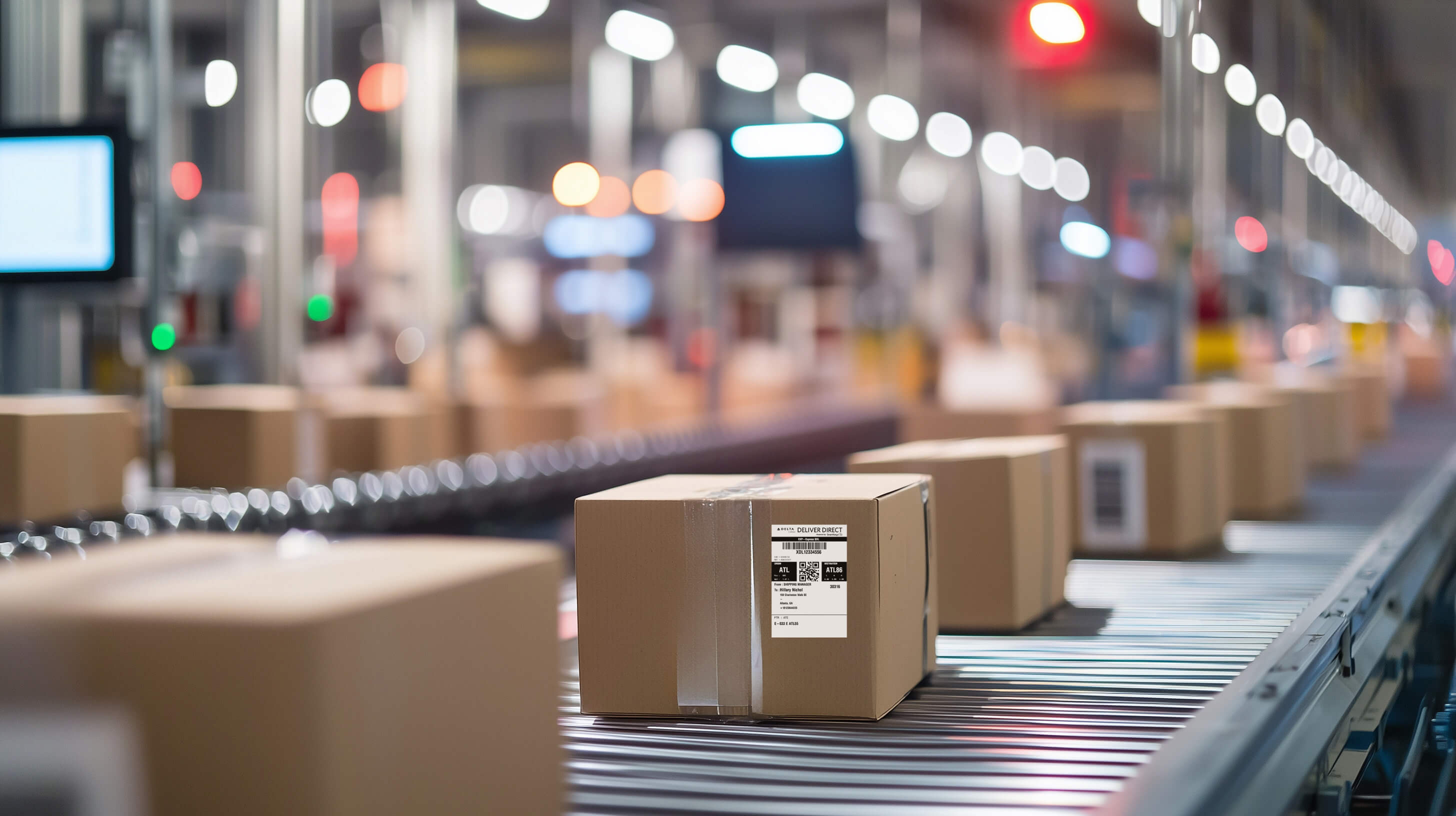
Peak season logistics is the discipline that prepares the business to handle sudden surges in online orders during promotional days, holidays, and major sales events. When companies plan for an e-commerce peak season, they focus on aligning inventory, fulfillment capacity, and carrier options so orders move smoothly from warehouse to doorstep. Peak periods place extra pressure on fulfillment and delivery because order volumes spike rapidly, customers expect faster service, and any operational flaw scales up quickly. Typical characteristics of peak logistics periods include concentrated order windows, compressed delivery windows, higher return rates, and constrained carrier capacity. For B2B decision-makers, treating seasonal pressure as a predictable operational challenge rather than an emergency can help companies better manage costs, service levels, and customer expectations.
Why Peak Season Logistics Planning Is Critical for E-commerce Brands
When sudden spikes in order volumes hit, businesses that plan ahead are generally better positioned to manage system strains and reduce the likelihood of frustrated customers. As customer expectations for fast delivery continue to rise, brands that are unable to scale may risk damaging their reputation and losing repeat sales. Without preparation, higher volumes increase the risk of delays, picking errors, and stockouts, each of which affects revenue and customer satisfaction.
Effective planning can help reduce these risks and support more informed capacity decisions.
Common Challenges During E-commerce Peak Seasons
Fulfillment and warehouse capacity constraints are common. Companies find picking lanes crowded, packing times stretched, and dispatch queues lengthening. Transportation and delivery bottlenecks may follow as carriers approach capacity limits and local networks experience congestion. Limited visibility across orders and shipments makes it hard for teams to prioritize exceptions or update customers accurately. These issues can interact, creating downstream operational challenges unless they are identified and addressed early.
How E-commerce Brands Can Prepare for Peak Season Demand Surges
Forecast Demand and Plan Ahead
The business should use historical sales data, marketing calendars, and market indicators to forecast volumes. They should identify high-demand products and the periods when those SKUs are expected to move fastest. Improved forecasting can support inventory placement closer to anticipated demand and earlier booking of transport capacity, which may help reduce exposure to last-minute cost increases.
Strengthen Fulfillment and Warehouse Operations
Companies should consider optimizing picking, packing, and dispatch workflows to help reduce touch time per order. Setting clear rules for fast-moving lines and dedicating packing stations for promotional SKUs can help reduce the risk of errors. Systems and processes should be stress-tested with higher-order loads to ensure labels, manifests, and return procedures continue to work under pressure.
Secure Logistics and Transportation Capacity
Planning transportation early can help businesses reduce their exposure to last-minute capacity constraints. Using providers that combine scheduled air services with local delivery may shorten transit times and increase reliability. Deliver Direct’s model, which combines pickup, air movement, and dock-to-door delivery with real-time tracking, illustrates how air-enabled parcel services may help support more predictable transit planning during peaks. Building flexibility by splitting volumes across modes and carriers can also help reduce the risk of single-point failure.
Prepare Teams and Operational Resources
Companies should consider scaling workforce capacity with temporary hires and cross-training to help teams manage peak workloads. Training should focus on accuracy, safety, and the rapid resolution of exceptions. Clear standard operating procedures and escalation paths can help support more consistent throughput when demand rises.
Role of Technology in Managing Peak Season Logistics
Demand forecasting and planning tools can help translate sales signals into estimated capacity requirements. Real-time tracking of order and shipment visibility can help teams to spot and act on delays more efficiently. Systems that surface potential bottlenecks, such as inventory shortages or carrier slowdowns, can help teams evaluate and implement proactive fixes. Integration with shipping partners via APIs may support automated manifesting and tracking workflows, which can help reduce manual steps and potential for errors. Deliver Direct and similar providers emphasize visibility tools and proactive notifications as part of their proposition.
Maintaining Customer Experience During Peak Demand
Setting clear delivery expectations on product pages and at checkout can help manage buyer expectations. Proactive communication during delays, supported by automated alerts and targeted follow-up where appropriate, can help manage customer expectations. Offering more transparency through shipment tracking can help reassure customers and reduce inbound service inquiries; services that include proof of delivery and photo-on-delivery may add an extra layer of trust.
Post-Peak Season Review and Optimization
After the rush, businesses should evaluate performance against relevant KPIs such as on-time delivery, order accuracy, return rates, and customer satisfaction. Identifying operational gaps in inventory placement, staffing models, or carrier selection can help drive targeted improvements. Insights from these reviews can help refine forecasting, inventory policies, and logistics contracts so the companies are better positioned for the next seasonal logistics cycle and any future demand surge.
When companies treat peak cycles as a repeatable discipline, blending better forecasts, robust fulfillment, planned transport capacity, trained teams, and enabling technology, they may be better positioned to convert short-term pressure into long-term advantage. The right partners and systems can help businesses manage costs, support more consistent delivery operations, and improve customer experience.
FAQs
Q. What is peak season logistics in e-commerce?
A. Peak season logistics refers to planning and scaling fulfillment and delivery operations to handle short-term surges in online orders during high-demand windows.
Q. Why is peak season planning important for online businesses?
A. It can help businesses reduce the likelihood of delays and errors, better manage customer expectations, and prepare to fulfill higher order volumes more efficiently.
Q. What challenges do e-commerce brands face during demand surges?
A. Common issues include warehouse constraints, carrier capacity shortages, limited shipment visibility, and increased returns.
Q. How can businesses prepare fulfillment operations for peak season?
A. Forecast demand, position inventory, optimize workflows, scale staffing, and stress-test systems before volume spikes.
Q. What role does technology play in peak season logistics?
A. Technology can support demand forecasting, real-time tracking, automated workflows, and earlier identification of potential bottlenecks.
Q. How should e-commerce brands review performance after peak season?
A. Measure outcomes against KPIs, identify gaps, capture lessons learned, and update forecasting and logistics plans for the next peak.
The opinions expressed by the author are solely their opinions and do not necessarily reflect the opinions of Delta Air Lines, Inc. or any of its affiliates, subsidiaries or any of their respective directors, officers, employees, agents, or representatives. The opinions expressed are based upon information the author considers reliable, but neither Delta Air Lines, Inc. nor its affiliates warrant its completeness or accuracy, and it should not be relied upon as such. This article is provided for general informational purposes only and does not create, modify, or expand any service commitment, warranty, guarantee, or contractual obligation.
RECENT POSTS
Peak Season Logistics: How E-commerce Brands Can Prepare for Demand Surges
September 18, 2026
Fast Order Fulfillment: 5 Steps from Packaging to Delivery
August 18, 2026
Peak Season 2025 (US): Capacity to Spare, Tariffs to Watch, and Carriers to Re-think
September 12, 2025